I wish this wasn’t something that the US continues to sweep under the rug. Mike Shinoda’s family was actually one of the 110,000-120,000 people who were forced to relocate and incarceration in interment camps in 1942. Very unjust treatment including the fact that many died while in the interment camps. Those who returned were considered guilty and came home to find their homes and businesses destroyed. I thought Roosevelt was probably (wasn’t alive obviously) a good President for the most part. However, he really dropped the ball in signing this order. Even our way of smoothing it over and sugarcoating it as “internment camps” and “relocation centers”. Granted, they weren’t deliberately sentencing people to death. However, they weren’t properly cared for (starvation, sickness), and many were shot if trying to escape. They’re lives were destroyed over paranoia. I realize it’s not as horrifying as Germany’s concentration camps, but that doesn’t mean it was innocent. To me, it was extremely wrong.
While I still have interest in studying the topic further, when I have time, with focus on what was done to attempting to remedy destroying these people’s lives. One could argue that Manzanar was declared and saved as a historical site. One could also argue that a memorial in Washington DC. there was a memorial created …however..consider the title as “Japanese American Memorial to Patriotism During World War II”. It’s washed over and sanitized to sound as if they had a choice or even made the US proud for anything less than decades after the camps. Again, they were tormented and their homes, businesses, and sense of safety were completely destroyed. Yet, it’s labeled as Patriotism and “symbolizing the body and spirit of Japanese Americans during the war”. As much as I love the National Park Service, it also begins its description to include ” reflects on the legacy of Japanese internment camps in the United States during World War II”. Legacy? Are we proud?! I’ll give the writing of the description credit that it followed up with admitting they were treated with suspicion, forced to stay (let’s just use the true word “incarcerated”) for several years.
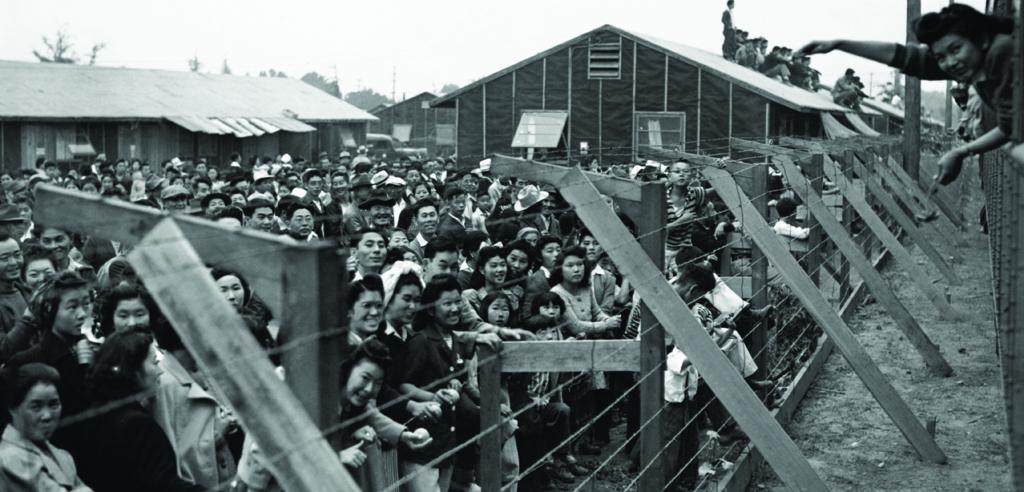
Takeaways: Paranoia and fear is dangerous. Why isn’t there a memorial day in recognizing both their strength to forgive as well as celebrating our ability to admit a horrible mistake. Being held accountable makes a country stronger. Let’s also not forget that many Muslims faced completely unjust violence and assumed to be guilty and anti-American. Again, no true apology or attempt to stop the backlash. My city seems to be more forgiving and anti-racist than the state as a whole, where parts are extremely bad.
If being patriotic means looking the other way when my country doesn’t do the right thing, obviously, rather than wanting to hold certain events as unacceptable…then you could call me what you want. I think patriotism means being devoted to your country being the best and strongest that it can be. If that means admitting that horrible mistakes were made and horrible things in current times need to change, then it’s allowing a country to evolve into something bigger and better than it was.
Those are my thoughts as a proudly anti-racist, anti-sexist, ….anti-prejudice person.
History: Racial Injustice, Forced Internment of Japanese Americans (Equal Justice Initiative)
National Park Service: Japanese American Memorial to Patriotism During World War II
Fort Minor: “Kenji” lyrics
 Dorian's Journey